STUDIO LINES: 0779-780-978/ 0752-780-978
kazofmstationmanager@gmail.com | kazofmmarketing@gmail.com

Nepal Prime Minister, Sharma Resigns Amid Violent Protests

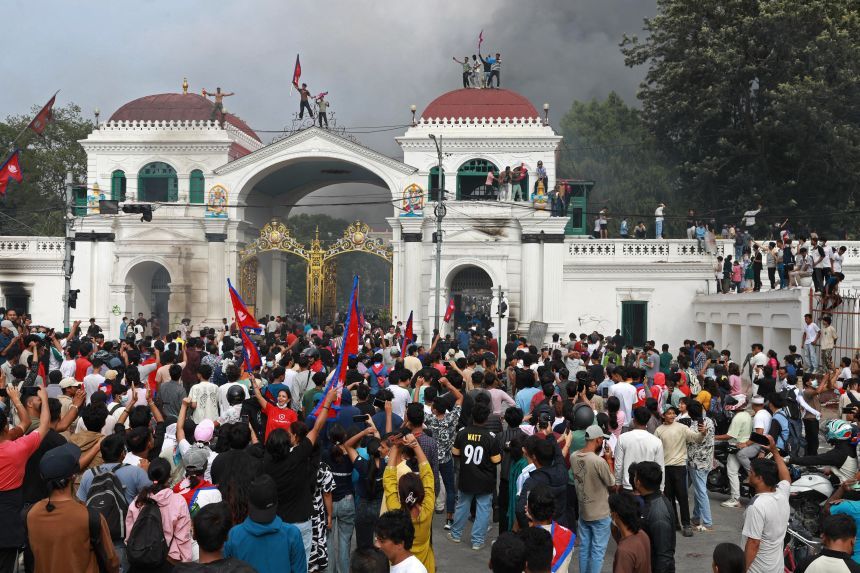
Nepal’s Prime Minister KP Sharma Oli has resigned amidst escalating violence and public outrage over recent government actions and widespread protests. The resignation comes as the country grapples with the deadliest unrest in decades sparked by allegations of corruption, social media restrictions and economic dissatisfaction.

The protests erupted last week following the government’s decision to ban 26 social media platforms, including Facebook, WhatsApp and Instagram citing non-compliance with registration requirements. Critics argued that the ban was an attempt to suppress anti-corruption activism and dissent, leading to mass demonstrations across Kathmandu and other cities.

Tensions intensified on Monday with thousands of protesters many identifying as Generation Z taking to the streets armed with placards and banners. Clashes between protesters and police turned violent resulting in at least 19 deaths and nearly 200 injuries. Security forces used tear gas, water cannons, rubber bullets and live ammunition to disperse crowds that scaled walls of official buildings and set fire to key government sites.

The violence persisted into Tuesday, with protesters setting fire to the parliament building, the headquarters of the Nepali Congress Party and the residence of former Prime Minister Sher Bahadur Deuba. Several other political homes and government offices were vandalized amid the chaos. The death toll has now risen to at least 22 with many injured receiving treatment for gunshot wounds and injuries caused by rubber bullets.

In response to the unrest, Nepal’s Minister for Communication, Prithvi Subba confirmed that police had used force to control the protests, including the deployment

Pope Leo XIV Inaugurated with rites rooted in centuries-old tradition.

In a historic and deeply symbolic celebration, Bishop of Rome Leo XIV officially commenced his Petrine Ministry today during a solemn Eucharistic liturgy held in St. Peter’s Basilica and Square. The event marked his succession as the spiritual leader of the Catholic Church succeeding his predecessors with rites rooted in centuries-old tradition.

The celebration began inside the basilica where the new Pope paused in prayer at the tomb of Saint Peter accompanied by Eastern Church Patriarchs. This moment underscored the unbreakable link between the papacy and the Apostle Peter, the church’s foundational figure. Following prayer and incense, the procession moved toward the square carrying the Bishop’s insignia: the Pallium, the Ring of the Fisherman and the Book of the Gospels.

As the Laudes Regiae hymns filled the air, a tapestry depicting the miraculous catch of fish originally crafted for the Sistine Chapel hung prominently at the basilica’s entrance symbolizing Peter’s role as a “fisher of men.” The scene was completed by the image of Our Lady of Good Counsel from the Marian Shrine of Genazzano.

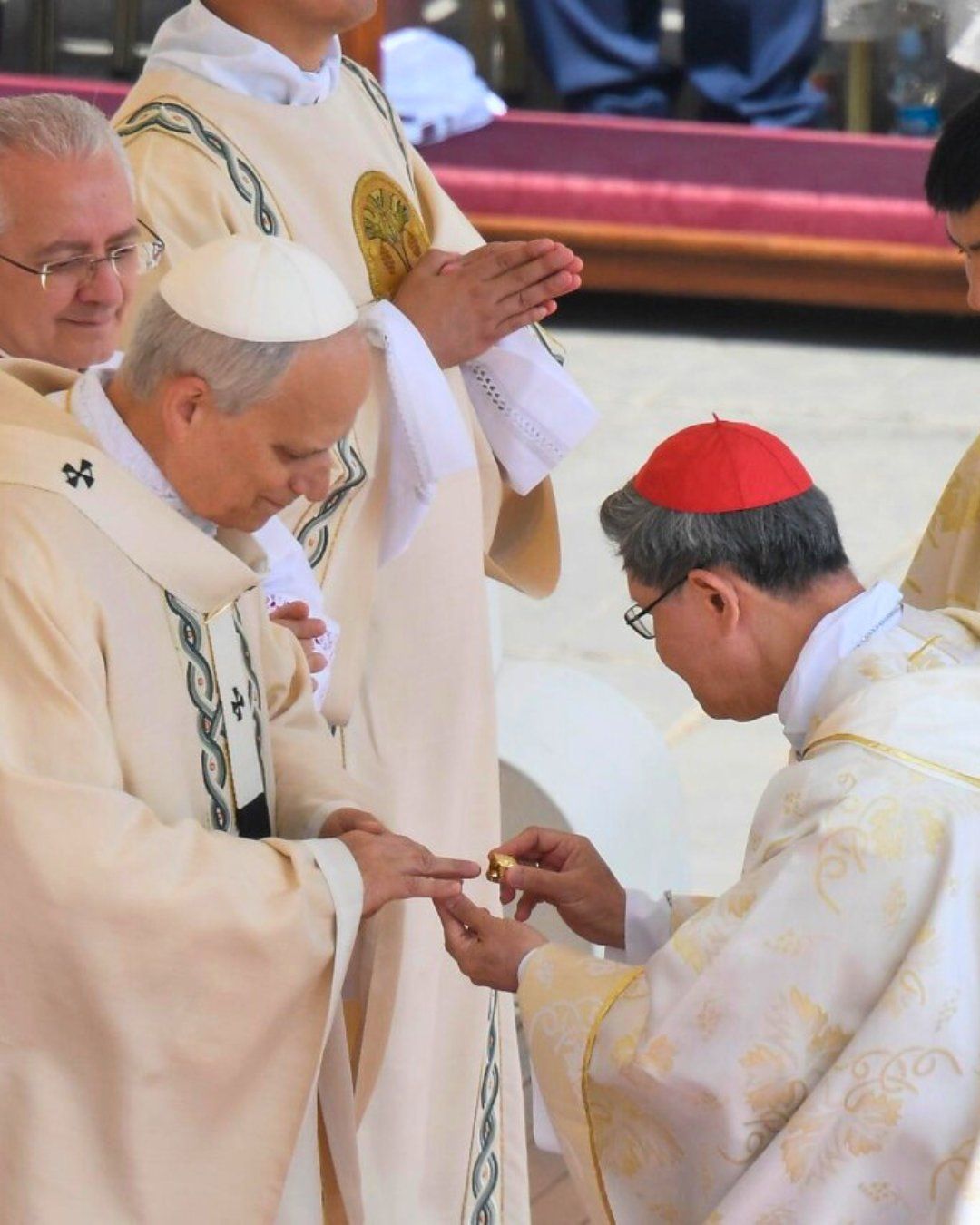
The liturgical rites emphasized the symbolic importance of Peter’s role with the Pope receiving the Palliuma woolen vestment symbolizing Christ’s care for His flock and the Ring of the Fisherman representing the authority and seal of faith entrusted to Peter. These insignia are central to the papal office recalling the biblical and historical foundations of Peter’s leadership.

The Liturgy of the Word featured readings in multiple languages including Spanish, Italian, Latin and Greek, highlighting the universal nature of the Church. The passages from Acts, Psalms, and Peter’s First Letter reinforced the symbolism of Christ as the cornerstone and Peter’s unique role among the apostles. The Gospel from John recounted Jesus’ threefold question to Peter: “Do you love Me? Feed My sheep,” underscoring the pastoral mission conferred upon the new Pontiff.

Following the Gospel, three cardinals representing different continents approached the Pope to place the Pallium on his shoulders, offer prayers and present the Ring of the Fisherman. A prayer to the Holy Spirit was then led invoking strength and unity for the new Pope in his ministry.

The moment of public allegiance, known as the Rite of Obedience saw twelve representatives from around the world pledge their loyalty to Leo XIV. The celebration continued with a homily, the recitation of the Creed and intercessory prayers in multiple languages including Portuguese, French, Arabic, Polish, and Chinese reflecting the global reach of the Church.

The Eucharistic liturgy culminated in the Offertory chant “You are the Shepherd of the sheep,” and the Pope’s prayer over the bread and wine seeking the fruits of redemption for all nations. Pope Leo XIV then led the congregation through the First Eucharistic Prayer and the Communion Rite praying for unity, charity and protection for the Church.

Before concluding, the Holy Father addressed the assembly briefly offering a blessing inspired by biblical imagery of the vine and vineyard invoking divine protection and salvation for the Church. The celebration ended with the singing of the Regina Caeli and the Pope’s blessing marking the beginning of a new chapter in his leadership.

This solemn and richly symbolic celebration not only inaugurated Pope Leo XIV’s papacy but also reaffirmed the enduring traditions and spiritual foundations of the Catholic Church.

Peru’s Premier, Adrianzen resigns

Peru’s Prime Minister Gustavo Adrianzén has resigned hours before facing a no-confidence vote in Congress amid mounting political turmoil. The vote was prompted by the recent kidnapping and killing of 13 mine workers which shocked the nation.

Adrianzén’s departure marks the third prime minister under President Dina Boluarte who now faces the challenge of replacing her entire cabinet. According to Peru’s constitution, all ministers must resign if the prime minister steps down. While the president can reappoint the same ministers, she can only do so once a new prime minister is in place.

This resignation comes just after Boluarte shuffled her cabinet, appointing new ministers of finance, interior and transport who now also must step down hours after their swearing-in. Boluarte’s approval ratings have plummeted further amid rising crime rates and public frustration over her handling of security issues.

Protests have intensified in recent months with demonstrators demanding urgent action against extortion and targeted killings. Thousands dressed in white gathered to call for immediate measures to combat gang violence and protect small businesses and transport workers. The ongoing unrest reflects deep dissatisfaction with Boluarte’s leadership during a period of escalating political instability in Peru.

Uruguayan former leftist leader, Mujica dies at 89

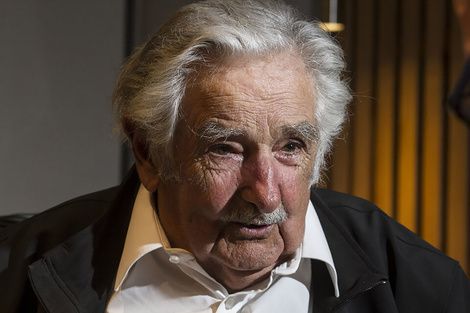
Uruguay’s former president and renowned leftist leader, José “Pepe” Mujica has died at age 89. President Yamandu Orsi announced on Tuesday. Mujica, known for his humble lifestyle and progressive policies was diagnosed with esophageal cancer in May 2024 and was receiving palliative care.

Tributes poured in from Latin American leaders and beyond. Evo Morales called Mujica a “brother,” while Mexico’s Claudia Sheinbaum lauded him as an “example for Latin America.” Brazil’s Lula praised him as a “humanist of our time,” and Spain’s Pedro Sanchez highlighted his commitment to a better world.

Mujica gained worldwide fame as the “world’s poorest president” during his 2010-2015 term donating much of his salary to charity. An ex-guerrilla with Tupamaros, he was imprisoned and tortured during Uruguay’s dictatorship, later becoming a prominent political figure. Under his leadership, Uruguay legalized abortion, gay marriage and became the first country to fully legalize recreational cannabis in 2013.

He is survived by his wife, Lucia Topolansky also a former guerrilla. Mujica’s legacy remains as a symbol of humility, progressive reform, and dedication to social justice.

Church must respond to digital revolution, Pope Leo XIV

Pope Leo XIV has revealed the profound inspiration behind his papal name emphasizing its significance in the Church’s ongoing mission to uphold human dignity and social justice.

Recalling Pope Leo XIII’s groundbreaking encyclical Rerum Novarum which addressed social issues during the dawn of the industrial revolution, the new Pope highlighted the relevance of this tradition in the modern era. “Today, the Church offers her treasure of social teaching in response to another industrial revolution—the developments of artificial intelligence,” Pope Leo stated. His choice of name, he explained is rooted in tradition but also looks forward confronting the challenges of a rapidly changing world and reaffirming the Church’s commitment to protecting the vulnerable.

Addressing the Cardinals whom he described as the “closest collaborators of the Pope,” Pope Leo XIV expressed deep gratitude and a humble awareness of the immense responsibilities ahead. “This yoke,” he acknowledged, “is clearly far beyond my strength—as it would be for anyone.”

The Holy Father reflected on the recent days marked by mourning as the Church bid farewell to Pope Francis. Viewing the death of his predecessor and the subsequent conclave as “a paschal event,” he described it as enveloped in the light of the Resurrection. He paid tribute to Pope Francis’ humility, dedication to service and peaceful transition to eternal life urging the Church to cherish this legacy and continue its mission with renewed hope grounded in faith.

The Pope emphasized the importance of encountering Christ in the stillness rather than in thunder or earthquake describing the “whisper of a gentle breeze” as a profound moment of divine presence. “It is in this quiet stillness,” he said, “that we encounter God most intimately and it is this encounter that must guide the Church today.”

He also spoke of the Church’s dual roles as “womb” and “flock,” “field” and “temple,” praising the unity and resilience of the faithful during recent times of mourning, which revealed the true greatness of the Church’s communal spirit.

Looking ahead, Pope Leo XIV reaffirmed the path set forth by the Second Vatican Council especially as renewed under Pope Francis. He highlighted themes from the Apostolic Exhortation Evangelii Gaudium, including the primacy of Christ, synodality, the sensus fidei (faithful’s supernatural sense), popular piety, care for the poor and active engagement with the world.

“These principles reveal the merciful face of the Father, made manifest in the Son,” he affirmed.

Concluding his address, Pope Leo XIV called on the Cardinals and the entire Church to pursue this path with “prayer and commitment,” echoing Saint Paul VI’s prayer that “a great flame of faith and love” may once again ignite across the world, illuminating the way for all people of good will.

Pope Leo XIV: What awaits new Pope

As the crowds gathered outside St. Peter’s Basilica erupted in chants of “Viva il Papa,” Robert Francis Prevost, 69, was announced as the new Pope Leo XIV, becoming the 267th successor of St. Peter. The historic event marked the first time an American has assumed the papacy though Prevost is often regarded as a Latin American church figure due to his extensive missionary work in Peru.

Born in Chicago in 1955 to parents of Spanish and Franco-Italian descent, Prevost was an altar boy before being ordained in 1982. He moved to Peru three years later, where he served as a parish priest, teacher and community organizer, earning Peruvian nationality and becoming a well-respected figure among marginalized groups. Prevost’s dedication to social justice and bridging communities has characterized his ecclesiastical career.

In his first remarks as pope, Leo XIV paid tribute to his predecessor, Pope Francis. “We still hear in our ears the weak but courageous voice of Pope Francis who blessed us,” he said to a cheering crowd. “United and hand in hand with God, let us advance together.” He also expressed his connection to the Augustinian Order for which he is a member.

Previously, appointed Bishop of Chiclayo in Peru in 2014, Prevost served as prefect of the Dicastery for Bishops in Latin America a key role in overseeing the selection and supervision of bishops across the region. Elevated to archbishop in January 2023 and made a cardinal shortly thereafter by Pope Francis, he is considered a moderate aligned with the pope’s progressive stance on issues like migration, poverty and environmental stewardship.

Experts note that Prevost’s choice of the name Leo signifies a commitment to social justice, echoing the legacy of Pope Leo XIII who addressed workers’ rights during a time of upheaval. Historical figures bearing the name have been known for their advocacy on social issues including Attila the Hun’s negotiations and Leo XIII’s writings on labor.

Former Archbishop of Boston Seán Patrick O’Malley commented that Leo XIV’s papacy may continue Francis’s focus on marginalized communities though his views on LGBT issues remain somewhat unclear. While supportive of blessings for same-sex couples, Prevost has emphasized the importance of local cultural contexts in church decisions.

Environmental concerns also feature prominently in his outlook. Last year, he called for the Church to take concrete action against climate change advocating for renewable energy initiatives at the Vatican including solar panels and electric vehicles. He also supports the inclusion of women in leadership roles within the Church praising their contributions to episcopal discernment and decision-making.

Though his tenure begins amidst ongoing challenges including past scandals in Peru, Prevost’s leadership is seen as a potential force for stability and social justice within the global Catholic community. His commitment to addressing contemporary issues such as climate change, social inequality and inclusion suggests a pope focused on both tradition and transformation.

What happens when pope dies?

Pope Francis has passed away at the age of 88 after serving as the spiritual leader of the Roman Catholic Church for twelve years. His death has prompted a mourning period steeped in centuries-old traditions and set into motion the intricate process for electing a new pontiff.

The Vatican confirmed the Pope’s death on Easter Monday announcing that his body will be laid in a coffin in a chapel at his Saint Martha residence for public viewing. Cardinal Kevin Farrell, the Pope’s camerlengo is responsible for officially confirming the death, managing the mourning schedule and overseeing the rites associated with the Pope’s passing. No autopsy is performed and a death certificate will be issued.

As part of the mourning customs, Pope Francis’ personal residence will be locked and sealed and protocols will be followed to ensure the Pope’s ring and lead seal which authenticate official documents are destroyed to prevent misuse.

Pope Francis will not be laid on a raised platform, a departure from tradition. Instead, he will be placed in a simple wooden coffin with the lid removed, allowing the faithful to pay their final respects. His funeral is scheduled to take place within four to six days following his death culminating in a mass in St. Peter’s Square.

Notably, Pope Francis requested to be buried at Rome’s Basilica of St. Mary Major near an icon of the Madonna, making him the first Pope in over a century not to be interred in the Vatican’s crypt at St Peter’s Basilica. This reflects his penchant for simplicity highlighted by his choice of a plain casket rather than the elaborate, multi-layered coffins preferred by his predecessors.

In the wake of his death, the process of selecting a new Pope will begin. Cardinals from around the world will gather at the Vatican for a conclave with voting expected to take place 15 to 20 days posthumously. The Church’s political landscape will be temporarily governed by the College of Cardinals which will manage the Church’s affairs until a new leader is elected.

The conclave operates in strict secrecy with cardinals isolated from the outside world to deliberate and vote on a successor. The election requires a two-thirds majority and if successful, the new Pope will be introduced to the public from the balcony of St. Peter’s Basilica with the words “Habemus Papam” – “we have a Pope.”

While canonically any baptized Catholic male can be elected Pope, cardinals typically favor one of their own. Only 138 of the current 252 cardinals are eligible to vote, as those over 80 years old can participate in discussions but are excluded from voting.

The death of Pope Francis marks the end of a papacy defined by a commitment to reform and accessibility and the world now turns its attention to who will carry on his legacy as the Catholic Church prepares to enter a new chapter.

Wild fires sweep across S.Korea

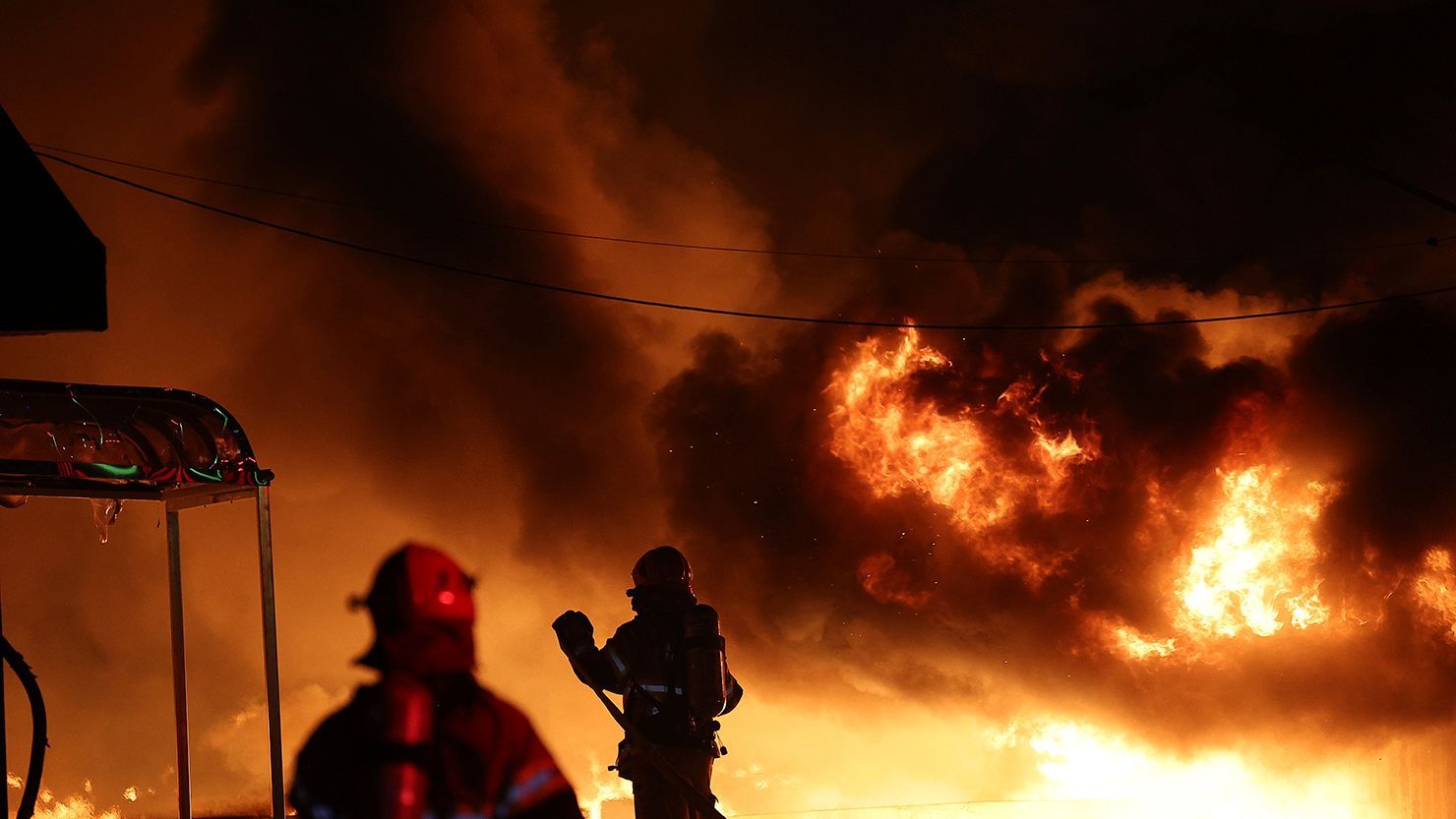
A series of devastating wildfires have swept across South Korea since last Friday claiming the lives of at least 28 people and injuring dozens more, as reported by local news agency Yonhap. The intense blazes have scorched approximately 48,000 hectares (118,000 acres) of forest prompting urgent responses from emergency services.

Fortunately, improved weather conditions following overnight rainfall on Thursday have provided some relief for firefighting efforts. Cooler temperatures and better visibility have enabled authorities to make progress against the flames which were driven by powerful winds from central Uiseong County to coastal areas.

Lim Sang-seop, chief of the Korea Forest Service, stated, “We plan to mobilise all available resources to extinguish the main flames by the end of the day.” However, officials warn that the drought and dry conditions have significantly fueled the wildfires, making them a recurring threat in the region.

In recent years, South Korea has experienced rising average temperatures and an increase in extreme weather events heightening the risk and severity of wildfires. Experts attribute this trend to the ongoing impacts of climate change.

In response to the crisis, South Korea’s acting president, Han Duck-soo emphasized the government’s commitment to assisting those affected. “All efforts will be taken to help people access financial resources to get their homes rebuilt. Money should be limitless,” he stated.

Local authorities are working to swiftly transition evacuees from temporary tent camps to more stable accommodations, although officials acknowledge that the recovery process will be lengthy.

As the nation grapples with the aftermath of these catastrophic wildfires, the urgency of addressing climate change and its repercussions is more apparent than ever.

Pope Francis Asks for Prayers Amid Hospitalization for Double Pneumonia

Pope Francis has urged Catholics worldwide to pray for him as he continues to receive treatment for double pneumonia at Rome’s Gemelli Hospital. This marks the second consecutive Sunday that the 88-year-old pontiff has been unable to deliver the traditional Angelus prayer in person.

In a heartfelt message written over the past few days, Pope Francis expressed his confidence as he undergoes treatment, stating, “I am confidently continuing my hospitalisation and carrying on with the necessary treatment.” This message comes after the Vatican revealed on Saturday that the Pope’s condition is still considered “critical.”

In Sunday’s message, the Pope extended his gratitude to the medical staff at the hospital and to the many well-wishers who have sent him messages of support. “In recent days, I have received many messages of affection and I have been particularly struck by the letters and drawings from children,” he noted. “Thank you for this closeness and for the prayers of comfort I have received from all over the world! I entrust you all to the intercession of Mary, and I ask you to pray for me.”

Pope Francis was first admitted to the hospital on February 14 after struggling with breathing difficulties. His history of lung infections including having part of a lung removed at age 21 and developing pleurisy as an adult makes him particularly vulnerable to respiratory issues.

Since becoming Pope 12 years ago, he has been hospitalized multiple times including for bronchitis in March 2023. The Vatican has committed to being transparent about his health providing daily updates. However, the content and tone of these announcements have sparked speculation among observers.

A Saturday update from the Vatican indicated that while the Pope was alert and spent the day in an armchair, he remained “not out of danger” and was, in fact, “more unwell” than the previous day. His medical team confirmed he required blood transfusions due to a low platelet count related to anemia and needed a “high flow” of oxygen for respiratory support. They emphasized the complexity of his condition, noting that even minor changes could disrupt a “delicate balance.” “He is the Pope,” one doctor remarked, “but he is also a man.”

In his Sunday message, the Pope also took a moment to highlight the third anniversary of the war in Ukraine urging prayers for all victims of armed conflict and calling for peace in places such as Palestine, Israel, the Middle East, Myanmar, Kivu and Sudan.

The Angelus prayer is traditionally delivered by the Pope from the window of the Apostolic Palace at the Vatican, accompanied by a brief address. As the world holds its breath for his recovery, Pope Francis’s call for prayer underscores the deep connection between faith and healing during difficult times.

Hurricane kills 3 in Mexico

The Mexican coast has been hit by the first storm of the North Atlantic hurricane season, which is also drenching southern Texas with heavy rain. The storm has claimed three lives of whom two are minors. Officials in Mexico said death occurred in the northern Nuevo León state.

In Texas and over its boarder, a disaster declaration has already been put in place and masses have been warned about “life-threatening” flooding and mud sliding in the North-East of Mexico and southern Texas.

The system has upgraded the nature of the storm from a tropical cyclone, but says that it remains below hurricane-strength. Meteorologists expect it to make a landfall in Mexico later during the course of the week before it dissipates without directly striking the United States.

The governor of the state of Nuevo León announced a temporary suspension of public transportation while schools in the neighbouring Tamaulipas have been closed.

The state’s declaration of disaster by, Governor Greg Abbott, indicates that widespread and severe property damage, injury and loss of life are most likely to occur.

The United States weather Agency indicates that the North Atlantic hurricane season that runs from the month of June to November could this year experience as many as seven major hurricanes. The agency further reveals that this would be more than double the usual number since record-high sea surface temperatures have shifted the regional weather patterns.

Wildfires that have started earlier than usual and they have already burnt through tens of thousands of acres in California and New Mexico, claiming at least two lives in the latter US state.

Some Mexicans welcomed the rain brought by Alberto following a severe drought in the region.

CONTACT US

97.8 Kazo FM is a Modern radio Station operating from the heart of Kazo district.


LISTEN LIVE

Kazo Fm - 97.8 Omushomesa | All Rights Reserved | Design: Javanet Systems

Follow by Email
WhatsApp