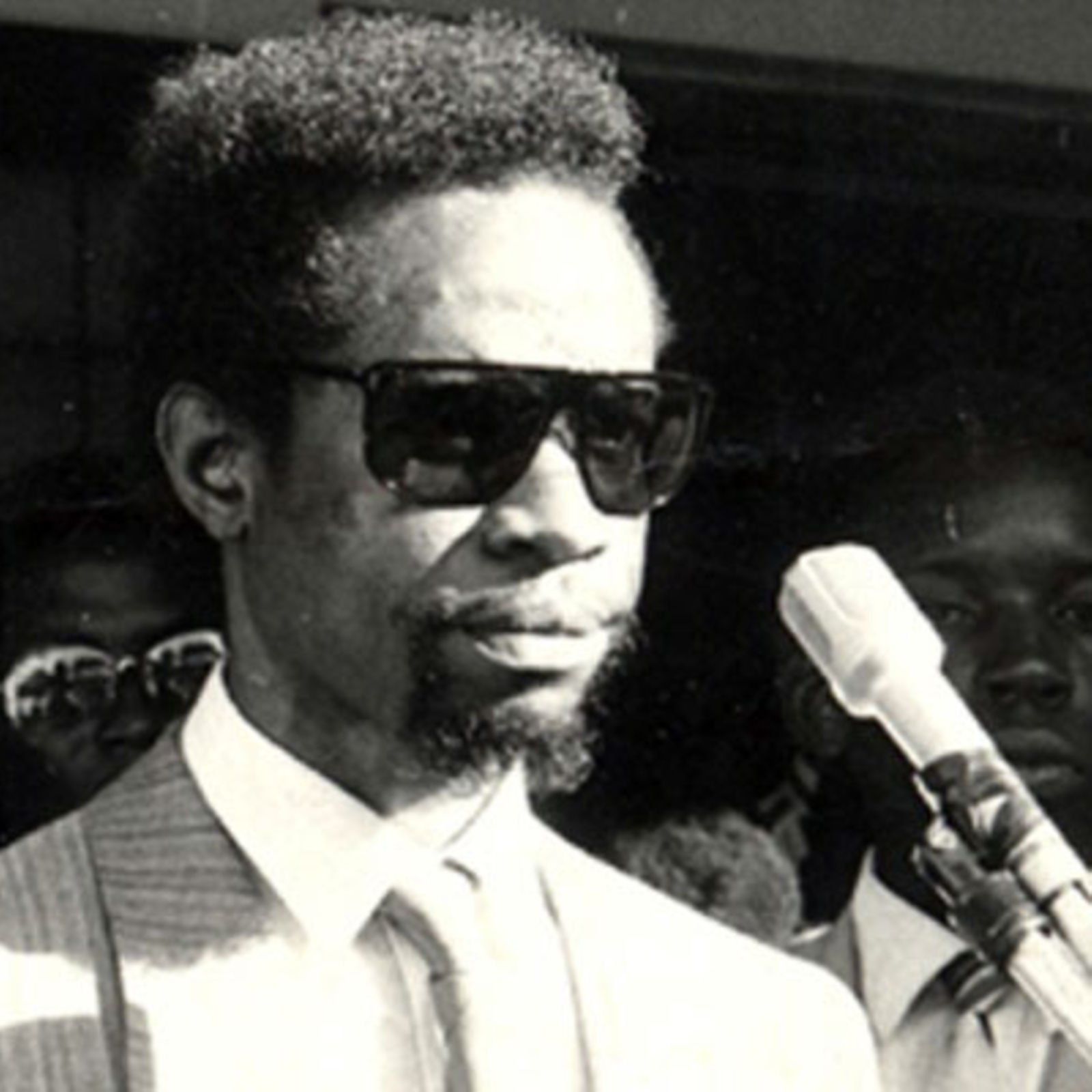
36 years ago you went, your memory still shines
In 1989, at the peak of his musical career, Ugandan singer and songwriter Philly Lutaaya faced one of the most challenging moments of his life. He was diagnosed with HIV at a time when little was known about the disease. He became the first high-profile Ugandan to publicly disclose his status. His courageous decision sparked both admiration and controversy shining a spotlight on the HIV/AIDS crisis in Uganda and beyond.
Lutaaya’s openness was met with mixed reactions. While it earned him worldwide praise, it also exposed his young children to stigma and discrimination. His daughter, Tezra, who spoke with BBC Outlook’s Emily Webb, recounted the profound impact of that period. She remembered how her father, overwhelmed by the diagnosis, initially spiraled into self-destructive behavior turning to alcohol. However, he eventually sobered up motivated by thoughts of his children and his desire to fight stigma.
After relocating to Sweden with his children following Uganda’s civil war, Lutaaya continued his music career and took on odd jobs to support his family. His music, infused with messages of hope and awareness aimed to combat the prejudice surrounding HIV/AIDS. His album Born in Africa, released shortly after his diagnosis was a bold statement addressing the epidemic head-on.
One poignant moment in Tezra’s recollection is the evening her father revealed his diagnosis to his children. Despite their lack of understanding, her tough exterior reflected her confusion and fear. His decision to go public was opposed by some family members, particularly his brother who feared the harsh treatment faced by HIV-positive individuals at the time. Eventually, Lutaaya held a press conference in Kampala where he shared his status with the nation despite doubts from skeptics who believed his health and appearance did not align with public perceptions of the disease.
Lutaaya’s activism did not stop there. His album Alone and Frightened directly confronted HIV stigma urging Ugandans to stand up and fight against discrimination. His efforts helped change perceptions and encouraged others to be open about their status.
Tragically, Lutaaya’s health declined and he returned to Uganda in his final days. On December 15, 1989, he passed away at the age of 38. His death marked a significant loss for Uganda and the global fight against HIV/AIDS.
In the years that followed, Tezra and others faced ongoing stigma. Tezra recalls how, even years later, she distanced herself from her father’s name to heal from the pain and anger caused by the societal rejection her family endured. It wasn’t until she watched a documentary about her father’s final tour that she truly understood his legacy his fight, his courage and his message of hope.
Inspired by her father’s work, Tezra founded Philly Lutaaya Cares, a charity dedicated to raising awareness, reducing stigma and empowering young people with skills, financial literacy and reproductive health education. She emphasizes that progress has been made, but the fight against HIV/AIDS continues.
Today, Lutaaya’s legacy endures not only through his music and activism but also through the continued efforts of those inspired by him. His Christmas songs still mark the start of the holiday season, reminding families of his message of hope and resilience. As Tezra reflects, “Whenever Christmas comes, I am happy to play his album and tell my children: ‘That is grandpapa singing.’”
Philly Lutaaya’s story remains a testament to bravery, advocacy and the enduring power of music to inspire change.